Interactive Special Report
Shadows of the US-Iran War
By Nikita Sharma
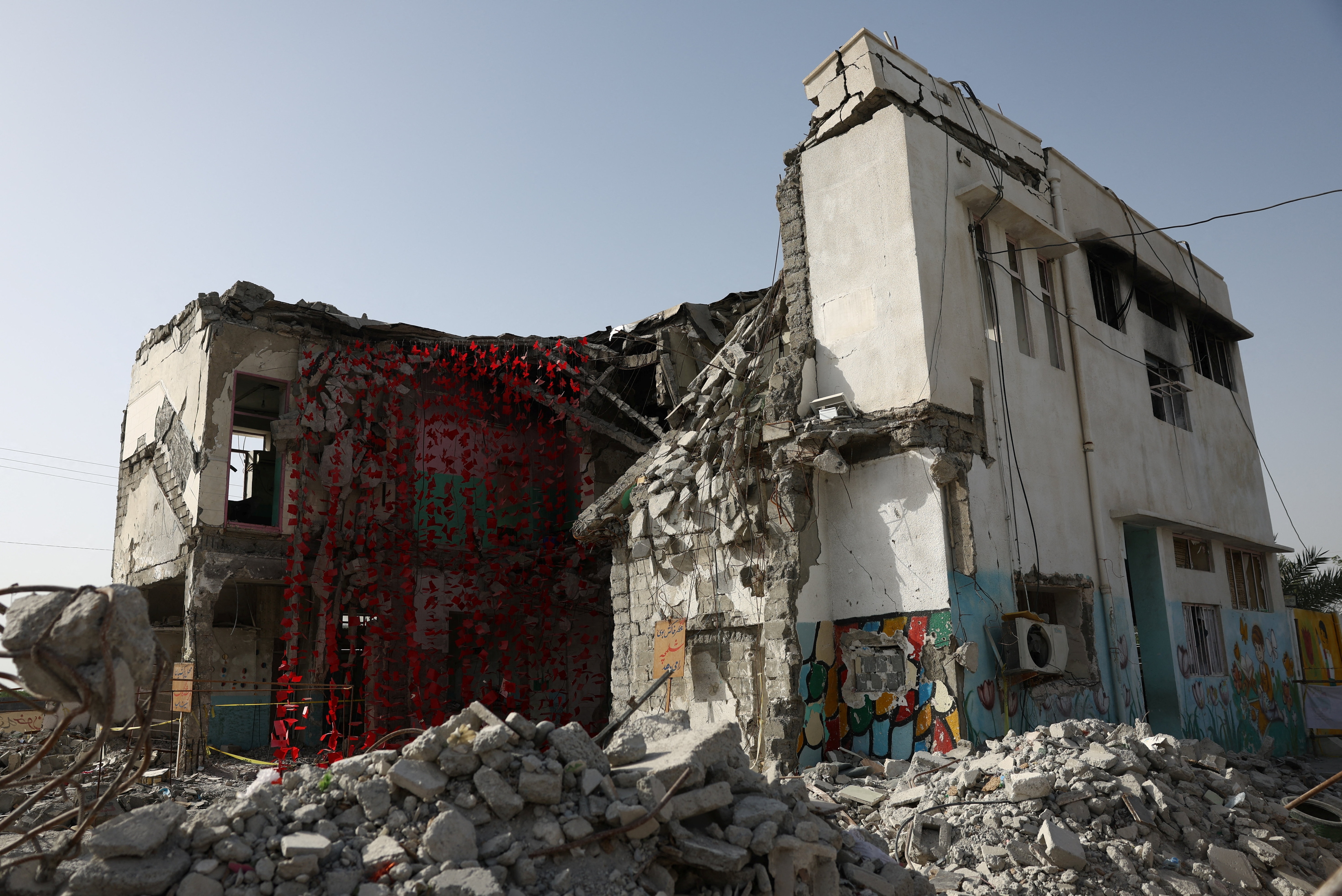
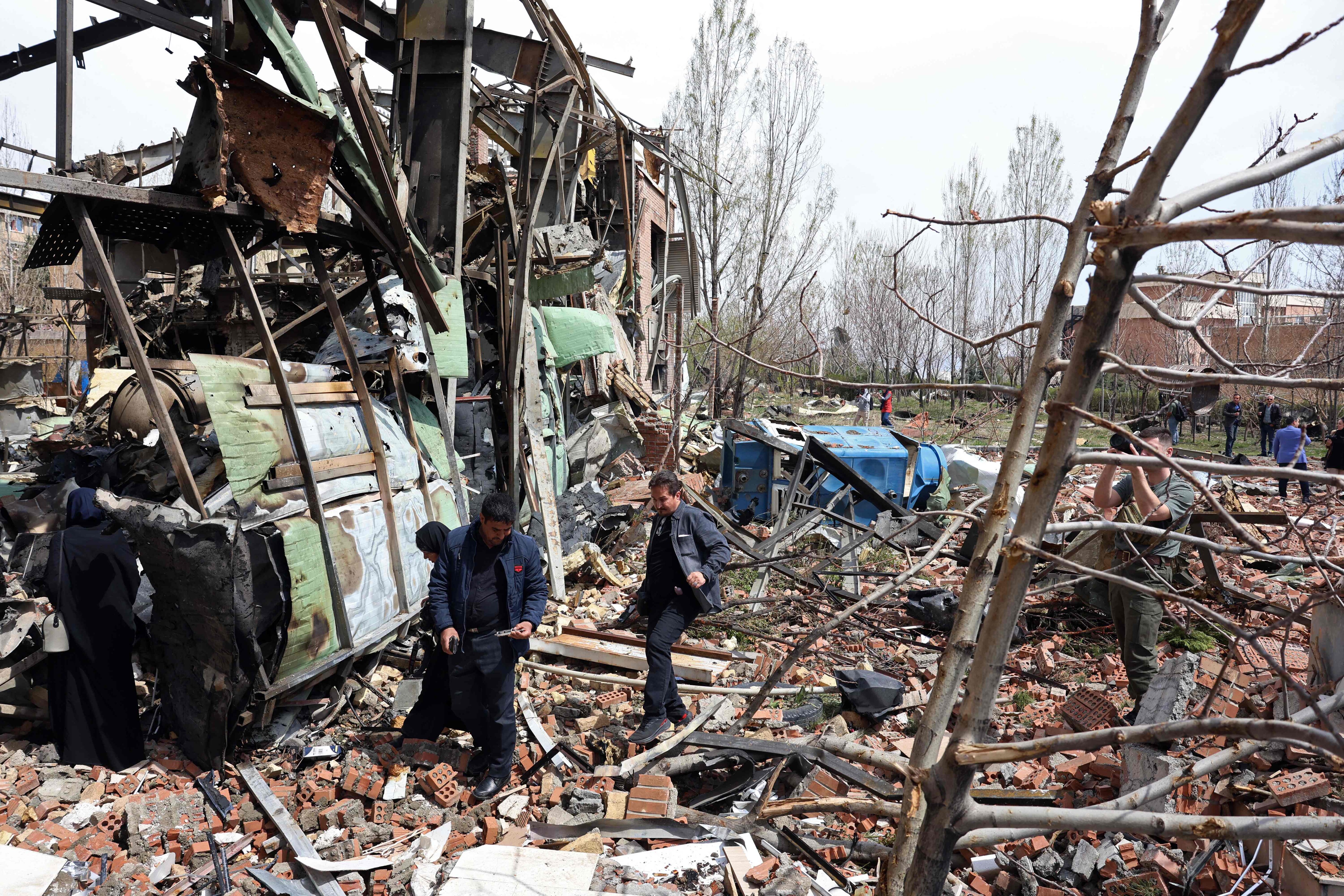
The war in West Asia spilled far beyond the region just weeks after it began on February 28. The attack by the United States and Israel took not just Iran by surprise, but the entire world with it.
As the rupee weakened rapidly and concerns over fuel supplies mounted, India headed into high-stakes elections across four states and a Union Territory.
It was on May 10 that the country felt the real weight of the war and how deeply it had affected the lives of its citizens.
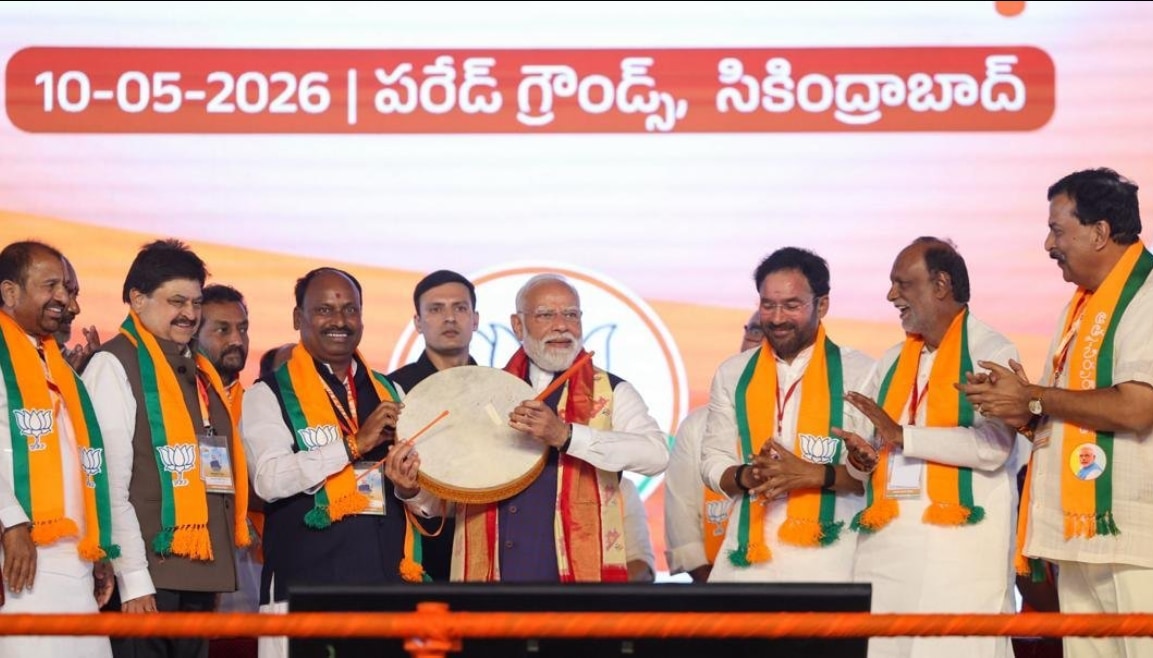
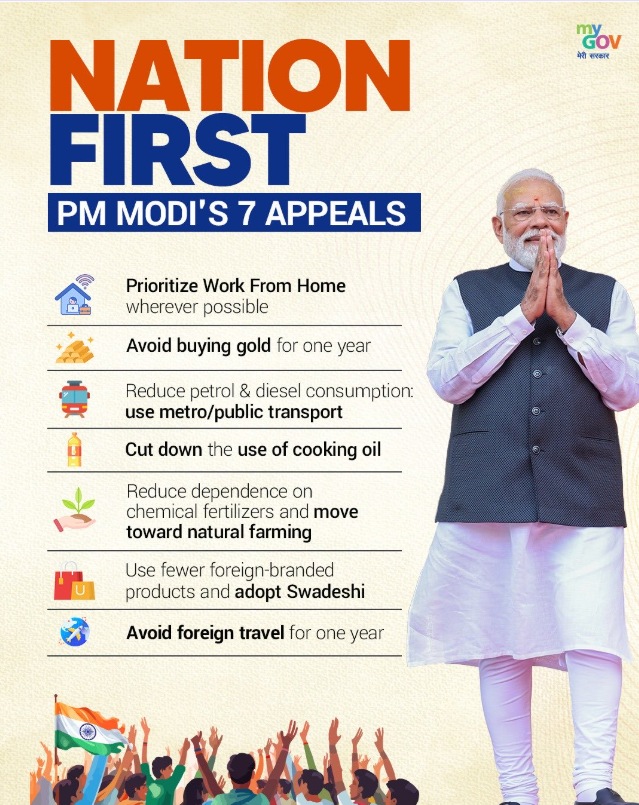
Prime Minister Narendra Modi appealed to citizens to avoid buying gold and travelling abroad for a year.
He also urged people to work from home wherever possible and use public transport or carpooling to reduce fuel consumption.
Opposition leaders accused the government of shifting the burden of the crisis onto ordinary citizens instead of creating economic safeguards.
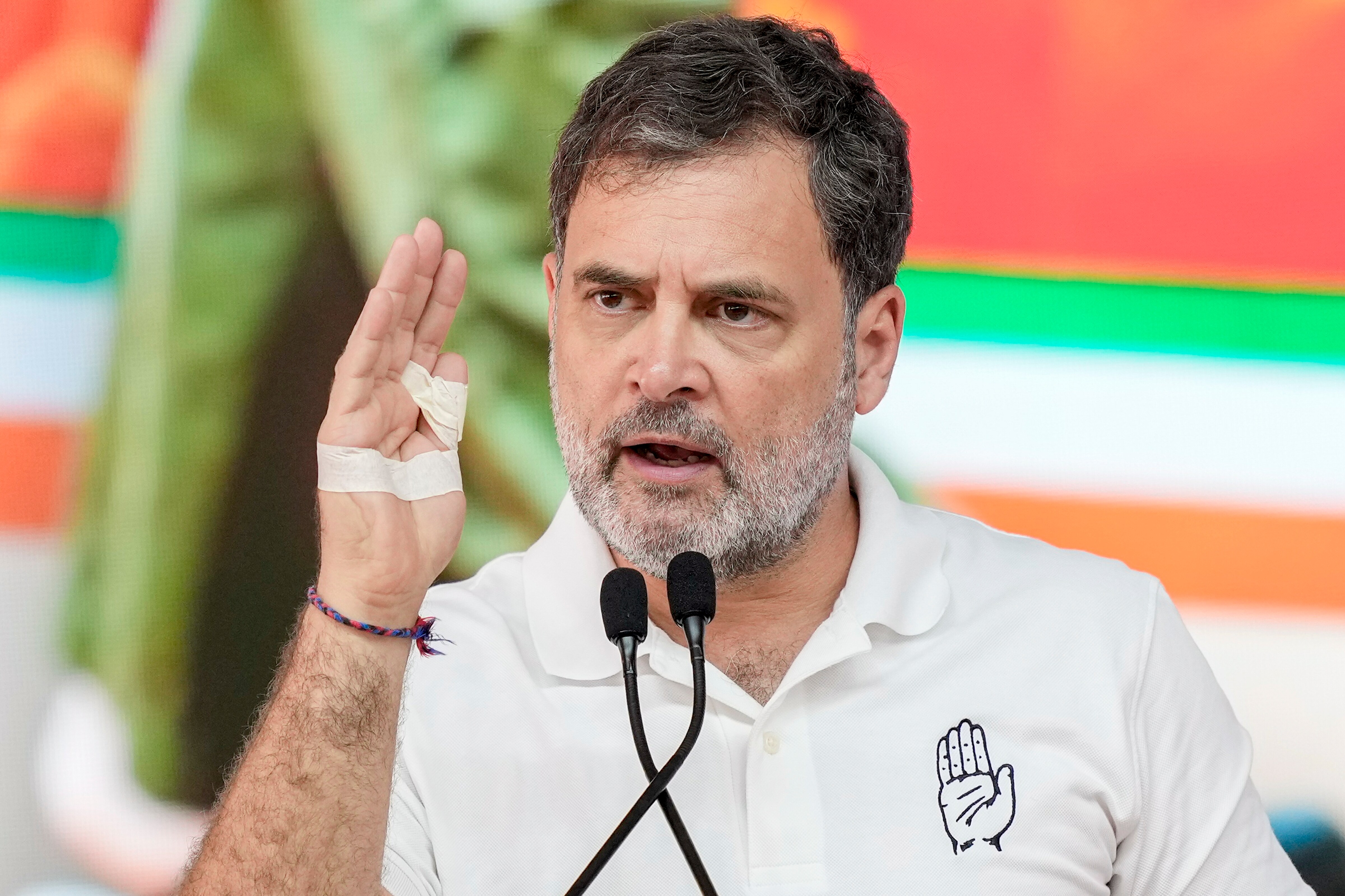
“In 12 years, he has brought the country to such a pass that the public has to be told what to buy, what not to buy, where to go and where not to go.”
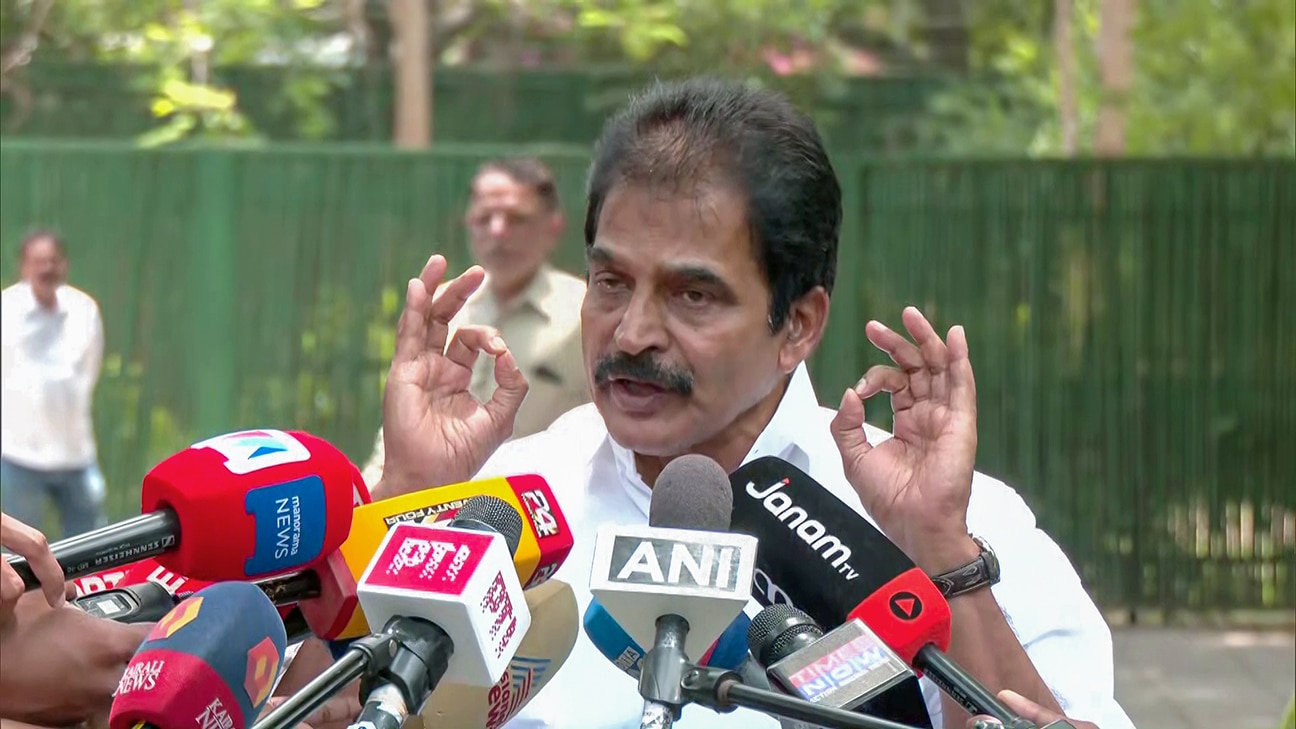
“It is shameless, reckless and downright immoral that the PM is pushing the common citizen into inconvenience instead of building contingencies.”
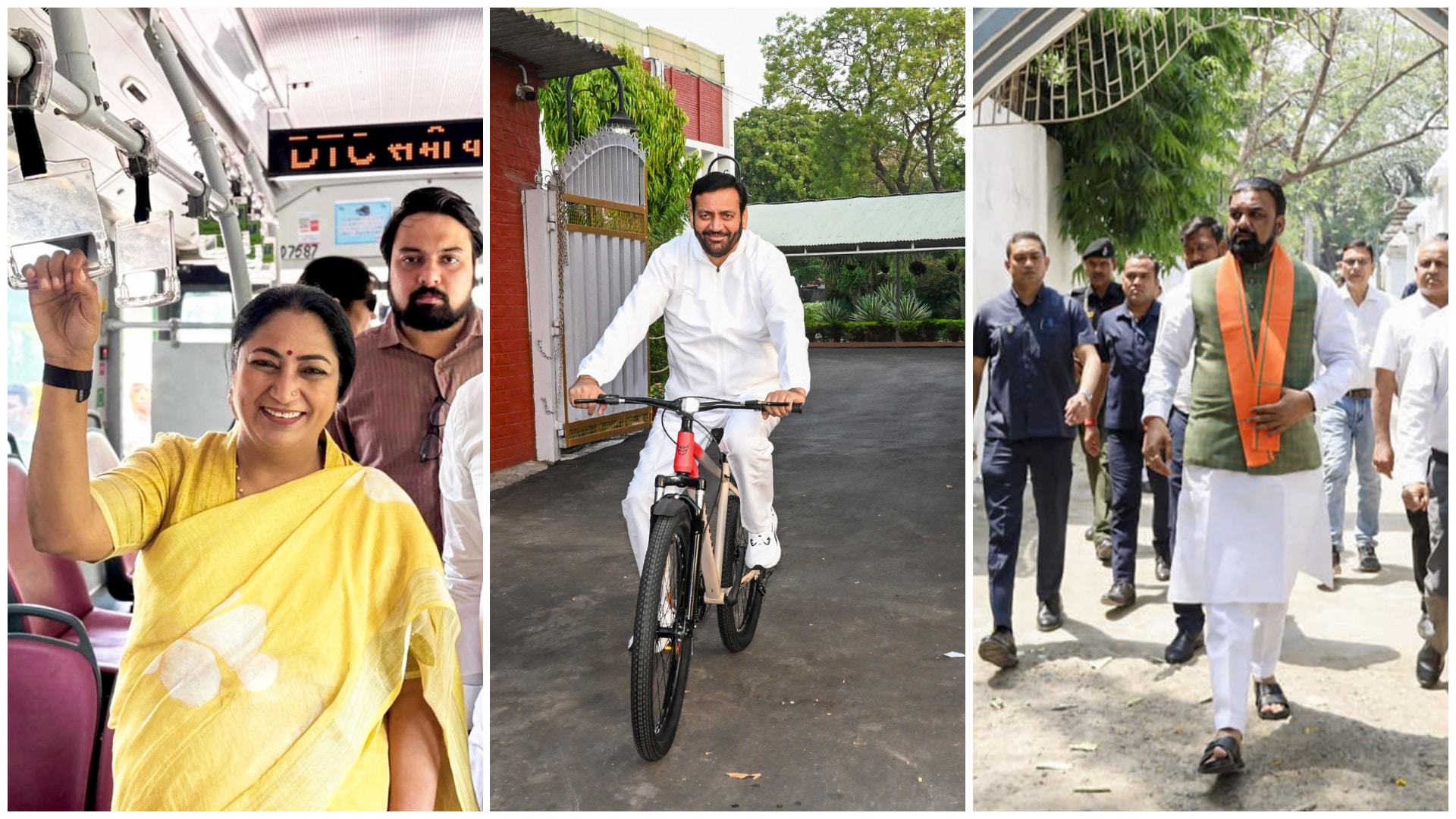
BJP-ruled states doubled down on Modi’s appeal. Chief ministers adopted alternate commuting methods to symbolically support austerity measures.
Delhi chief minister Rekha Gupta took a metro ride along with cabinet ministers to encourage public transport usage amid rising fuel prices.
Haryana chief minister Nayab Saini rode a bicycle as part of the government’s push for fuel conservation.
Bihar chief minister Samrat Choudhary walked nearly 500 metres from his residence to the state secretariat.
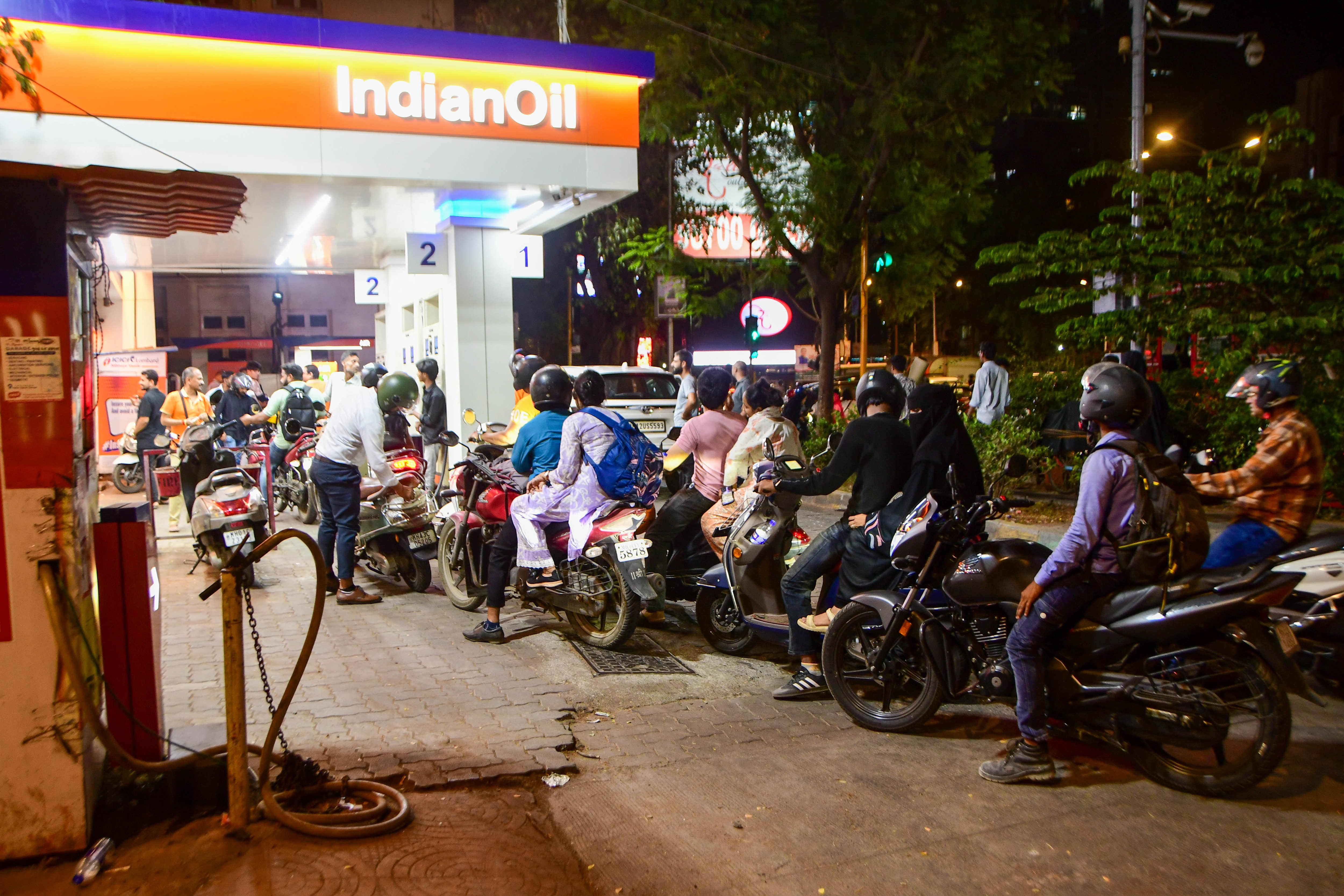
Just days after Modi’s appeal to the nation, the war directly hit the pockets of ordinary citizens as petrol and diesel prices were hiked twice within a week.
On May 15, petrol and diesel prices were increased by Rs 3 each as state-run oil firms incurred heavy losses.
Then, on May 19, prices for both fuels were hiked again by nearly 90 paise each.
Petrol and diesel prices increased by ₹3 each.
Petrol rose by 87 paise while diesel rose by 91 paise.
Both petrol and diesel prices rose by nearly ₹1.
Petrol crossed ₹100 in Delhi after another hike.
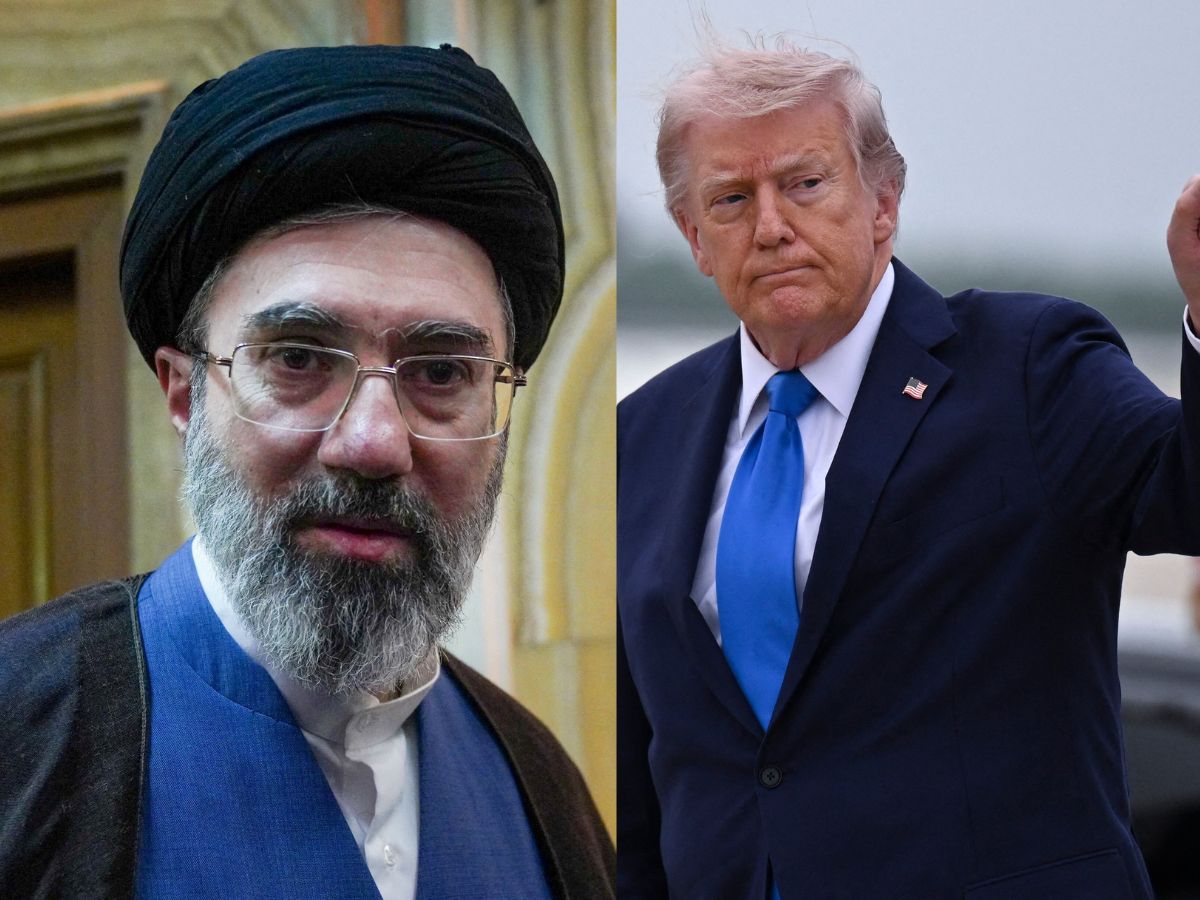
The biggest concern remains the stalled peace talks between the United States and Iran, which have failed to break the impasse over ending the war.
While a temporary Pakistan-brokered ceasefire remains in place for now, both sides continue to warn of further attacks if no agreement is reached, keeping not just each other, but the entire world on edge.
Adding to this, US President Donald Trump put forth a new condition for a peace deal with Iran, asking several Gulf countries and Pakistan to join Abraham Accords and formally recognise Israel.